
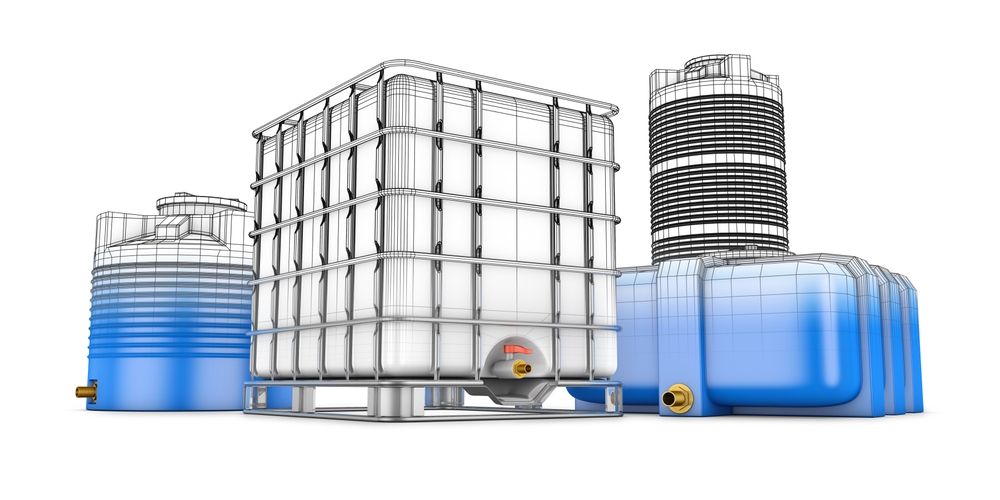
Choosing a water tank is not just a simple step in preparing a home or project. It is a decision that directly affects water quality, user health, and long-term maintenance costs. With the variety of options in the Egyptian market and the recent search for safe and hygienic water tanks, it has become essential to fully understand all details before making a purchase.
Whether you are looking for a water tank for your home, a tank for a factory, or a storage solution for a farm, this article will be your complete guide. We will present the best types of water tanks in Egypt, a full comparison between them, and the most important tips to help you choose correctly without regrets later.
What Are the Best Types of Water Tanks in Egypt?
The Egyptian market currently mainly relies on three primary types of water tanks:
– Polyethylene Tanks
– Fiberglass Tanks
– Stainless Steel Tanks
Each type has its own uses, advantages, and disadvantages. The final choice depends entirely on your needs and usage requirements.
Polyethylene Tanks: The Most Popular Choice for Homes
Polyethylene tanks are considered among the best water tanks in Egypt. If you are searching for the best water tank for home use or a safe plastic drinking water tank, polyethylene will most likely appear at the top of search results, and this is not a coincidence.
Advantages of Polyethylene Tanks:
– Fully resistant to rust and corrosion
– Safe for storing drinking water
– Lightweight and easy to transport and install
– Available in a wide range of sizes (from small to large capacities)
– Affordable plastic water tank prices
Disadvantages of Polyethylene Tanks:
– Can be affected by high temperatures if not properly insulated
– Shorter lifespan compared to fiberglass or stainless steel
Best Use:
Homes, apartments, and villas for everyday domestic use. If you are planning to buy a polyethylene tank, choose a multi-layer tank as it provides better thermal insulation and maintains water quality.
Fiberglass Tanks: The Ideal Solution for Large Projects
If you are looking for a water tank for factories or large-scale agricultural storage, fiberglass tanks are considered one of the strongest options available.
Advantages of Fiberglass Tanks:
– Extremely high durability and strength
– Excellent resistance to weather conditions
– Suitable for long-term storage
– Can handle very large capacities
– Long service life
Disadvantages of Fiberglass Tanks:
– Higher price compared to plastic tanks
– Requires professional installation
– Relatively heavy
Common Uses:
Factories, farms, and large infrastructure projects for bulk water storage. For agricultural use, fiberglass tanks are often more cost-effective in the long run due to their high durability and performance.
Stainless Steel Tanks: The Highest Level of Water Quality
Stainless steel tanks are considered the top-tier option for those searching for a highly hygienic water tank or a tank that does not affect water taste.
Advantages of Stainless Steel Tanks:
– Does not react with water at all
– Preserves water purity and taste
– Resistant to bacterial growth
– Modern and elegant appearance
– Meets high hygiene standards
Disadvantages of Stainless Steel Tanks:
– High cost
– Requires maintenance to preserve appearance
– Not cost-effective for simple residential use
Ideal Use:
Hospitals, hotels, food industries, and highly sensitive hygienic environments. If water quality is your top priority, stainless steel tanks are worth the investment despite their higher cost.
How to Choose the Right Types of Water Tanks for You
Choosing the right water tank is not a simple decision. It directly impacts water quality, ease of use, and long-term maintenance costs. Many people choose randomly or based only on price, which often leads to issues such as water shortage, tank damage, or contamination.
To choose correctly, you need to consider multiple connected factors rather than focusing on one element only
Based on Usage and Installation Location
The first step is defining the purpose of the tank, then calculating the required capacity based on the number of users or project size (approximately 150 liters per person per day with a safety margin).
You also need to carefully choose the installation location:
– Rooftop installations require heat-resistant tanks
– Ground installations need a strong and stable base
– Underground tanks require special design and high insulation
Based on Material and Heat Resistance
The material determines the tank’s lifespan and water quality. Polyethylene is suitable for homes, fiberglass is ideal for projects, and stainless steel offers the highest hygiene level.
In all cases, the tank must be resistant to sunlight and heat, especially in Egypt, as high temperatures directly affect water taste and purity.
Based on Quality, Budget, and Maintenance
Your choice should balance quality and price, not just go for the cheapest option. A good water tank must come with a warranty, certified material (food-grade), and be easy to clean.
Regular maintenance is also essential to keep the water clean and avoid future problems.
If you need assistance selecting the right Types of Water Tanks or want a price quote, contact us now and get the best solution tailored to your needs and budget.